
 Health and Beauty
 Home and Garden
 Electronics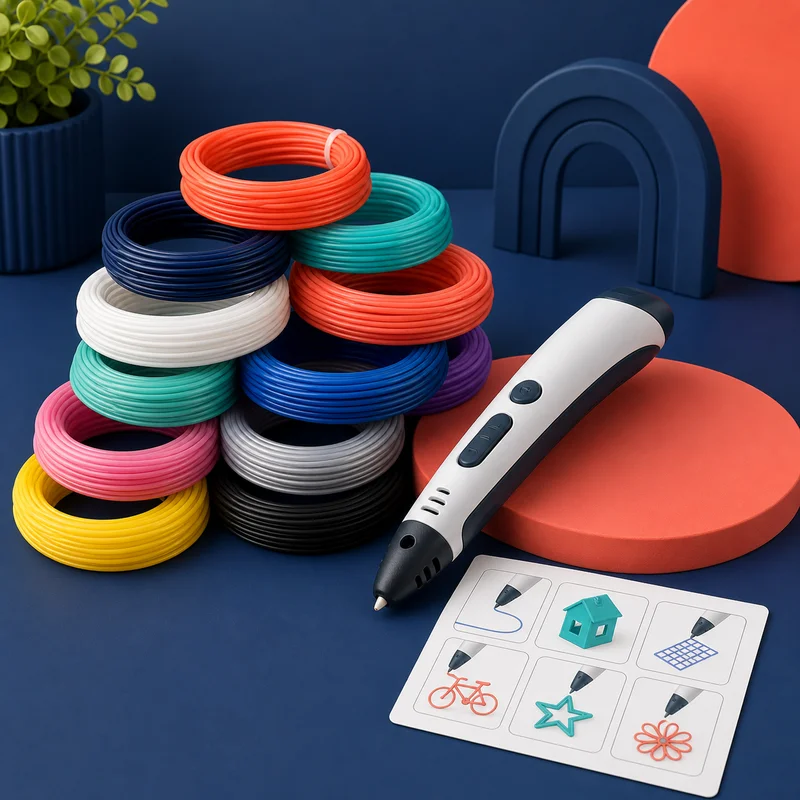
3D pen filament: how to choose compatible material
3D pen filament: how to choose compatible material
3D pen filament: how to choose compatible material. A product should not be chosen on price or one headline specification alone. Purpose, compatibility, comfort, build quality and the way it will be used and maintained all matter.
Why does this matter?
3D pen filament: how to choose compatible material — creative toys. In practice, there is no single trick. Product, information, technique and expectations need to work together. A defined process reduces mistakes, makes options easier to compare and supports decisions based on evidence.
Separate features from benefits. A feature describes a material, dimension, function or setting. A benefit explains when it helps the user. Linking the two honestly builds trust and reduces disappointment after purchase.
Where should you start?
Start by defining the goal, the user and the conditions of use. Then check the instructions, contents and limits. For retail decisions, add full costs, stock availability and a plan for answering customer questions.
A practical step-by-step plan
- Define the user, intended purpose and frequency of use.
- Compare compatibility, materials, dimensions and ease of cleaning.
- Check markings, instructions, warranty and the supply of consumables or spare parts.
- Compare price against useful functions, not simply the number of accessories.
- Test one unit or a small batch before committing to a wider purchase.
End each stage with a short check. Record the setting, variant or test result. This makes a successful process repeatable and helps you avoid drawing conclusions from a single case.
What should you check?
- a clear purpose and defined user group
- compatibility with the manufacturer's instructions
- a complete set and sound build quality
- straightforward cleaning, storage or servicing
- clear pre-purchase information and realistic expectations
Use the same checklist when comparing offers. Consistent criteria matter more than a long feature list on the packaging. Show those criteria in the store's specification table and customer question section as well.
Common mistakes
- choosing only on the lowest price
- ignoring instructions or compatibility
- increasing intensity or purchasing volume too quickly
- copying descriptions without adapting them to the local customer
- failing to control costs, stock and after-sales information
A poor result does not always mean the product is faulty. The variant may be wrong, the description incomplete or the move to intensive use or larger stock too quick. Improve the process before judging the outcome.
An online retail and wholesale perspective
For a retailer, a test batch from a wholesale supplier with consistent replenishment and organised product data is a sensible starting point. It allows demand to be assessed without tying up unnecessary capital. Once sales are proven, stock can rise gradually and the range can expand through bundles and compatible accessories.
A B2B listing should clearly state pack quantity, variants, dimensions, materials, product code and delivery terms. The retailer can then build accurate product pages faster and plan stock responsibly.
Safety and responsible use
Check the age rating, completeness and condition of all parts. Magnets, hot tips and small pieces require close adult supervision. Remove any damaged item from play immediately.
Frequently asked questions
Is the most expensive option always the best?
No. The best option fits the purpose, user and frequency of use. Extra functions do not automatically create extra value.
When should a retailer buy a larger batch?
After checking demand, quality, returns and full contribution margin. A test batch produces useful data while keeping risk controlled.
Summary
3D pen filament: how to choose compatible material — The best outcome comes from combining the right product, sound technique and realistic expectations. Work through a checklist, test on a small scale and only then increase intensity, stock or budget.